
Tongue and Groove Siding in Grady County, OK
Professional Tongue and Groove Siding in Grady County, OK — Licensed, Insured & Locally Owned
Get expert tongue and groove siding installation, repair & replacement in Grady County, OK. Serving Chickasha, Blanchard & beyond. Call (405) 529-1859 for a free estimate.
Tongue and groove siding is one of the most time-honored exterior cladding systems available, offering interlocking wood or engineered panels that create a seamless, weather-tight barrier around your home. At Grady County Siding Company, we specialize in the installation, repair, replacement, and maintenance of tongue and groove siding across Grady County, Oklahoma — a region where extreme weather swings, red clay soils, and humid summers demand a siding solution built to last.
Our team understands the specific structural and climatic challenges that face homeowners in Chickasha, Blanchard, Tuttle, and surrounding communities. From historic farmhouses along the Washita River basin to newer suburban builds in Bridge Creek, we bring locally informed craftsmanship to every project. Whether you are protecting a century-old homestead or upgrading the exterior of a modern ranch-style home, tongue and groove siding delivers natural beauty, structural integrity, and lasting curb appeal. Call us today at (405) 529-1859 to schedule your free consultation.
Understanding Tongue and Groove Siding
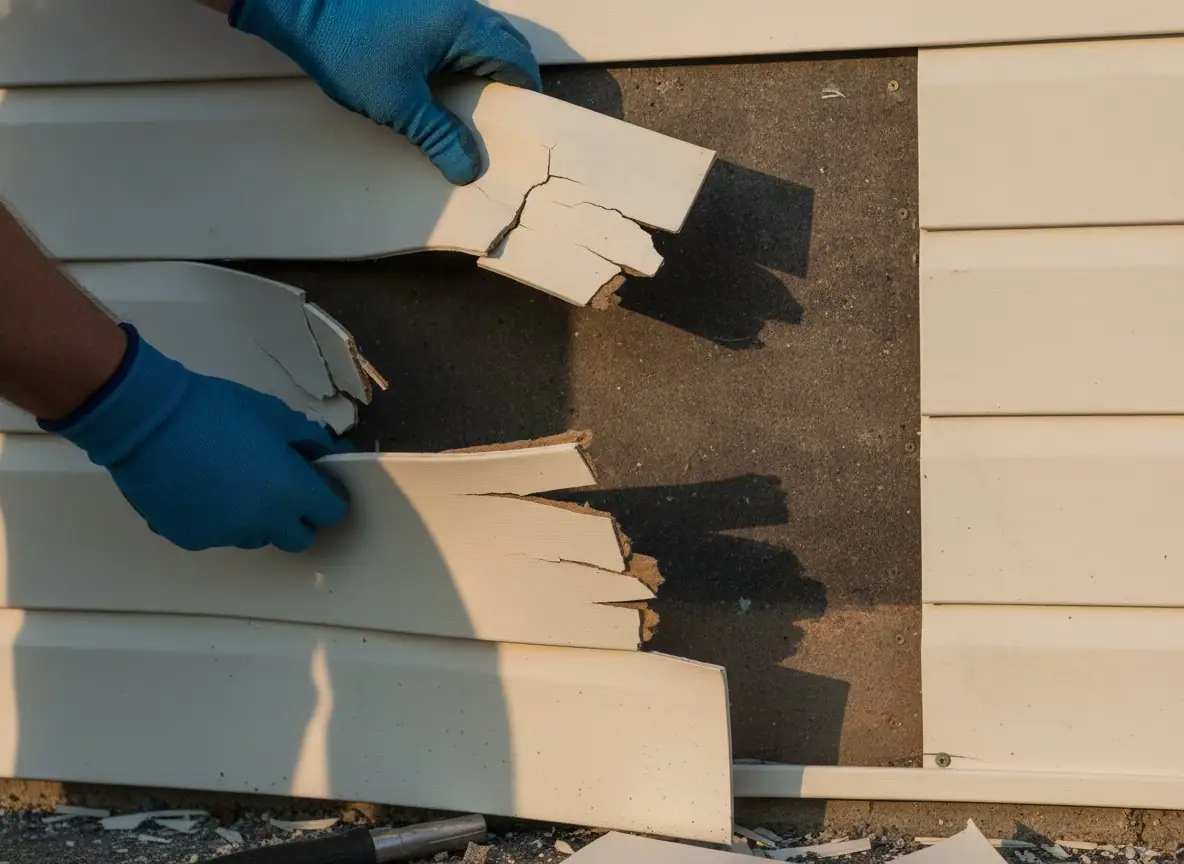
Tongue and groove siding is a classic interlocking panel system in which one board features a protruding ridge — the “tongue” — that fits precisely into the recessed channel — the “groove” — of the adjacent board. This tight mechanical connection eliminates gaps, reduces moisture infiltration, and creates a uniform surface that resists warping and separation over time. The result is a smooth or textured exterior wall that looks refined while performing exceptionally in demanding environments.
Historically, tongue and groove was the dominant exterior cladding method across the Southern Plains for most of the 19th and early 20th centuries. Settlers who built homesteads throughout what is now Grady County used locally milled cedar and pine in tongue and groove configurations precisely because the interlocking design held up against Oklahoma’s notorious wind and seasonal moisture cycles. Many original structures from the land run era of 1889 still standing in rural Grady County feature tongue and groove construction beneath later siding overlays.
Read moreShow less
Today, tongue and groove siding is available in a wide range of materials beyond traditional wood. Options include:
- Western Red Cedar: Naturally rot-resistant and dimensionally stable, ideal for exposed elevations.
- Southern Yellow Pine: A dense, cost-effective option well-suited to Grady County’s hot dry summers.
- Engineered Wood (LP SmartSide): Treated wood strands compressed for superior moisture resistance and impact strength.
- Fiber Cement: Non-combustible panels that resist Oklahoma’s wildfire risk and insect pressure.
- PVC / Cellular Vinyl: Completely impervious to moisture, ideal for homes near low-lying creek areas in the county.
Tongue and groove siding suits virtually every building type found in Grady County — from the Craftsman bungalows in downtown Chickasha to agricultural outbuildings in Verden and Pocasset, to the growing suburban neighborhoods expanding south of Blanchard. Its versatility makes it one of the most requested siding systems we install throughout the region.
For homeowners considering complementary cladding systems, board and batten siding installation is another traditional option that pairs beautifully with tongue and groove accents on gable ends and dormers.
Why Tongue and Groove Siding Is Needed in Grady County, OK
Oklahoma’s Severe Weather Corridor
Grady County sits squarely within Tornado Alley, making it one of the most storm-exposed counties in the United States. The May 2019 tornado outbreak that devastated portions of Bridge Creek and the western edge of Blanchard produced winds exceeding 140 mph, stripping conventional lap siding from dozens of homes. Tongue and groove siding’s interlocking panel system distributes wind load more evenly across the wall assembly, reducing the risk of panel separation during high-wind events. When installed with ring-shank fasteners and proper corner blocking — as our crew does on every job — tongue and groove panels can maintain structural integrity in sustained winds of 110 mph and above, meeting Oklahoma’s residential wind load requirements under ASCE 7-16.
Grady County’s Expansive Clay Soils
The dominant soil type across much of Grady County is Port silt loam and Chickasha loam — both classified as moderately expansive clay soils by the USDA Natural Resources Conservation Service. During wet periods, these soils expand and shift foundations by as much as 2 to 3 inches, particularly in lower-lying areas near Rush Springs and Ninnekah. This seasonal movement telegraphs stress into wall framing, causing conventional siding joints to open and close repeatedly. Tongue and groove siding tolerates minor racking movement better than rigid panels because each interlocking joint acts as a small expansion mechanism, preventing cracking and water infiltration at seams.
Extreme Temperature Fluctuations
Grady County experiences temperature ranges from below 10°F during hard freezes — such as the February 2021 Winter Storm Uri, which brought recorded lows of -9°F in Chickasha — to summer highs exceeding 110°F. This 120-degree seasonal swing causes repeated thermal expansion and contraction in siding materials. Lower-quality vinyl and aluminum sidings can buckle or gap under this stress. Properly installed tongue and groove siding, especially when manufactured from fiber cement or engineered wood, handles this thermal cycling with minimal movement, protecting underlying sheathing and insulation year-round.
Humidity and Seasonal Moisture
Though much of western Oklahoma is semi-arid, Grady County’s proximity to the Washita River and Boggy Creek drainage systems creates localized humidity pockets, particularly in Verden, Amber, and the rural areas west of Alex. Spring humidity levels regularly exceed 85 percent, promoting mold, rot, and insect activity in untreated wood siding. Tongue and groove systems, when factory-primed on all six sides and properly sealed at installation, create a moisture-resistant envelope that outperforms open-joint cladding systems in these conditions.
Wildfire Exposure Risk
The rolling prairie east of Tuttle and north of Minco faces periodic grassfire threats during dry autumn months. Fiber cement tongue and groove products carry a Class A fire rating, making them a prudent choice for homes in these transitional urban-rural interface zones of Grady County.
Free, no-obligation estimates
Talk to Grady County Siding Company
Tell us what you need and we’ll take it from there.
Signs You Need Tongue and Groove Siding Service in Grady County
Visible Damage Indicators
- Boards that have separated at the tongue and groove joint by more than 1/8 inch, allowing wind-driven rain to penetrate behind the siding layer.
- Cupping, warping, or bowing panels — especially common on south- and west-facing elevations exposed to Oklahoma’s intense afternoon sun.
- Cracked or split boards along the grain, often caused by the freeze-thaw cycles associated with events like Winter Storm Uri.
- Missing or loose fasteners causing panels to rattle or shift during wind events.
Moisture and Biological Damage
- Dark staining or soft spots indicating wood rot, particularly at grade level near Grady County’s expansive soil zones.
- Mold or mildew growth on the surface, common on north-facing walls or beneath overhanging trees near creek areas in Verden and Amber.
- Interior wall dampness or peeling paint that signals moisture is bypassing the siding layer.
Urgency Indicators
- Any breach in the siding envelope larger than 1/4 inch should be treated as an emergency repair to prevent sheathing damage before the next rain event.
- Evidence of insect tunneling — particularly termite galleries — visible at panel edges requires immediate professional inspection.
- Siding installed more than 20–25 years ago without documented maintenance should receive a full professional siding inspection before the next storm season.
Our process
Our Tongue and Groove Siding Process in Grady County
- 01
Free On-Site Assessment (Day 1)
We begin every project with a no-cost, no-obligation inspection of your existing exterior. Our estimator measures all wall surfaces, documents existing damage, checks for moisture intrusion behind current siding, and evaluates your home’s exposure orientation
- 02
Material Selection and Proposal (Days 1–3)
Based on our assessment, we recommend the most appropriate tongue and groove material for your specific location, building type, and budget. Homeowners near the river bottoms in Verden and Ninnekah often benefit from PVC or fiber cement options, while those in
- 03
Scheduling and Material Procurement (Days 3–10)
Once approved, we schedule your installation around Grady County’s weather patterns. We avoid scheduling exterior work during the spring severe weather window (late March through early June) whenever possible, and we source materials locally where available to
- 04
Preparation and Removal (Installation Day 1)
Existing siding is carefully removed and inspected. We replace any deteriorated sheathing, treat wood framing with borate-based preservative against termite pressure common in southern Grady County, and install a weather-resistive barrier (WRB) rated for Oklah
- 05
Installation (Days 1–3 Depending on Square Footage)
Tongue and groove panels are installed from bottom to top, with each course checked for level every four feet. Ring-shank nails or stainless screws are used throughout. All end cuts receive two field-applied coats of primer before installation — a step particu
- 06
Finishing, Caulking, and Paint or Stain (Days 3–4)
All exterior trim, corners, windows, and door surrounds are caulked with a 50-year elastomeric sealant. Painting or staining is completed with products rated for Oklahoma’s UV intensity.
- 07
Final Inspection and Cleanup (Day 4–5)
We conduct a full walk-around inspection with the homeowner, document all completed work with photographs, and remove all job-site debris. We leave your property cleaner than we found it.
Tongue and Groove Siding Methods and Approaches
Vertical Installation
Installing tongue and groove panels vertically is the most traditional approach and remains popular on historic properties in downtown Chickasha and rural farmsteads throughout Grady County. Vertical orientation sheds water efficiently and gives older homes an authentic period appearance. This method requires robust horizontal blocking between studs at maximum 24-inch intervals to ensure adequate fastening surface.
Horizontal Installation
Horizontal tongue and groove installation creates a clean, contemporary look favored in the newer residential developments south of Blanchard and in the Tuttle area. This orientation works well with engineered wood and fiber cement products and aligns naturally with standard framing, simplifying installation logistics.
Diagonal Installation
Diagonal or chevron patterns add architectural interest and structural bracing to wall assemblies. This method is occasionally used on accent walls, gable ends, and outbuildings across the rural areas of Grady County where an agricultural aesthetic is desired.
Repair and Partial Replacement
Not every project requires full replacement. When storm damage — such as hail impacts from the April 2023 severe weather outbreak that crossed Grady County — affects isolated sections of siding, we can perform targeted board-by-board replacement that seamlessly matches existing profiles. Professional siding repair is often the most cost-effective solution for localized damage.
Full Siding Replacement Over Existing Material
In certain situations, new tongue and groove siding can be installed over existing sound cladding using a furring strip system that creates a rainscreen gap for drainage and ventilation — a technique particularly effective for improving moisture management in homes near Grady County’s lowland areas.
Learn moreTongue and Groove Siding Cost in Grady County, OK
Understanding the cost of tongue and groove siding helps Grady County homeowners plan effectively. Pricing varies depending on material choice, square footage, existing condition of the wall assembly, and site-specific factors unique to our region.
Typical Price Ranges
- Southern Yellow Pine Tongue and Groove: $4.50–$7.00 per square foot installed, making it the most affordable natural wood option for budget-conscious homeowners in Minco and Alex.
- Western Red Cedar: $7.00–$12.00 per square foot installed, preferred for premium residential projects in Chickasha and Blanchard.
- Engineered Wood (LP SmartSide): $6.00–$9.00 per square foot installed, offering an excellent balance of performance and cost.
- Fiber Cement Tongue and Groove: $8.00–$14.00 per square foot installed, the highest-performing option for fire-risk zones near Tuttle and Minco prairie areas.
- PVC / Cellular Vinyl: $9.00–$15.00 per square foot installed, recommended for moisture-heavy environments near the Washita River drainage.
Read moreShow less
Additional Cost Factors in Grady County
- Sheathing replacement: $1.50–$3.00 per square foot if existing OSB or plank sheathing shows moisture damage — common in homes that survived tornado debris impacts in the Bridge Creek corridor.
- Story height: Two-story homes in Blanchard and Chickasha add approximately 15–20 percent to labor costs due to scaffolding requirements.
- Removal of existing siding: $0.75–$1.50 per square foot for standard lap siding removal.
- Permit fees: Grady County building permits for exterior re-siding typically range from $75–$200 depending on project valuation.
For a precise estimate tailored to your property, contact us at (405) 529-1859. We also offer complete siding installation services for new construction projects throughout the county.
Tongue and Groove Siding Service Areas in Grady County
Chickasha, OK
As the Grady County seat, Chickasha contains the largest concentration of historic homes in the region, many dating to the early 1900s. Neighborhoods along Chestnut Avenue and near the University of Science and Arts of Oklahoma campus frequently feature original tongue and groove exteriors beneath later siding overlays. We specialize in historically sensitive restoration and replacement work in these older neighborhoods, matching original profiles where possible.
Blanchard and Bridge Creek
These rapidly growing communities south and east of Chickasha include a mix of 1980s–1990s ranch homes and new construction subdivisions. Storm damage from the May 2019 outbreak left many properties in need of full siding replacement. We have completed numerous tongue and groove projects in the Lakewood Estates and Stone Creek areas of Blanchard.
Tuttle and Minco
These smaller communities feature a blend of mid-century agricultural homes and newer residential builds. Homes here face significant wildfire interface risk during dry autumn months, making fiber cement tongue and groove a particularly practical choice.
Rush Springs, Verden, and Ninnekah
Located in the more rural southern and western portions of Grady County, these communities include many older farmsteads with original wood siding in varying states of repair. Our siding maintenance programs are popular with property owners in these areas who want to preserve original structures rather than replace them entirely.
Tongue and Groove Siding Maintenance Tips for Grady County Homeowners
- Inspect annually in March: Before tornado season begins, walk the perimeter of your home and check all tongue and groove joints for gaps wider than 1/16 inch. Catch separations early before spring rains drive moisture into wall cavities.
- Clean with low-pressure washing: Use a garden hose or 1,200 PSI maximum pressure washer annually to remove Oklahoma’s red clay dust and pollen buildup — never use high-pressure equipment that can force water behind panels.
- Repaint or restain every 5–7 years: Grady County’s UV intensity accelerates finish degradation. Use an elastomeric exterior paint or penetrating oil stain rated for southern climates.
- Caulk all penetrations each fall: Utility penetrations, window perimeters, and corner joints should be inspected and re-caulked before winter freeze cycles stress sealant bonds.
- Maintain 6-inch clearance from grade: In Grady County’s expansive clay soil zones, keeping soil away from the bottom course of siding prevents rot and termite access.
- Trim vegetation away from walls: Shrubs and tree limbs touching siding trap moisture and abrade finish coatings — especially important in the humid microclimates near Boggy Creek.
- Schedule post-storm inspections: After any wind event exceeding 60 mph, visually inspect all elevations for displaced panels or impact damage.
Why Choose Grady County Siding Company
At Grady County Siding Company, we are not a national franchise operating in your area — we are your neighbors. Our team lives and works in Grady County, and we understand the specific challenges that Oklahoma weather, soil conditions, and building stock present to homeowners from Chickasha to Rush Springs. That local knowledge shapes every decision we make on your project, from material selection to fastening schedules to weatherproofing details.
We offer the full spectrum of exterior cladding services — including vinyl siding installation, fiber cement siding installation, and James Hardie siding installation — so we can recommend the right system for your specific home rather than selling you the same solution regardless of your needs.
Read moreShow less
We provide transparent, itemized written estimates with no hidden fees, and we stand behind our workmanship with a commitment to quality that has made us a trusted name across Grady County. Call (405) 529-1859 to speak directly with a local siding professional today.
FAQ
Frequently Asked Questions About Tongue and Groove Siding in Grady County, OK
How much does tongue and groove siding cost in Grady County?
Costs typically range from $4.50 to $15.00 per square foot installed, depending on material. For an average 1,500-square-foot ranch home common in Tuttle or Minco, total project costs generally fall between $9,000 and $22,000, including removal of existing siding, new weather barrier, and installation. We provide free, detailed written estimates for every project.
How long does tongue and groove siding last in Oklahoma’s climate?
With proper installation and maintenance, fiber cement and PVC tongue and groove systems can last 50 years or more. Natural cedar, when properly painted and maintained against Grady County’s humidity and UV exposure, typically delivers a 25–35 year service life. Engineered wood products such as LP SmartSide generally carry manufacturer warranties of 50 years.
Is tongue and groove siding a good choice for homes near Grady County’s creek areas?
Yes — when the correct material is selected. We recommend PVC cellular or fiber cement tongue and groove for homes near the Washita River, Boggy Creek, or other drainage areas in Verden, Amber, and Ninnekah due to their complete resistance to moisture-driven deterioration. Natural wood products can work in these locations but require more diligent maintenance.
Can tongue and groove siding withstand Grady County tornado winds?
When properly installed with ring-shank fasteners, corner blocking, and a rated weather-resistive barrier, tongue and groove siding performs well in high-wind conditions. No siding system is guaranteed to survive a direct tornado strike, but tongue and groove’s interlocking design provides better resistance to panel separation in wind events than many conventional siding systems. We install to meet or exceed Oklahoma’s ASCE 7-16 wind load requirements.
How long does a tongue and groove siding installation take?
For a typical single-story home in Chickasha or Blanchard (approximately 1,200–1,800 square feet of siding), installation takes 3–5 business days from removal through final caulking and painting. Larger two-story homes or projects with significant sheathing replacement may take 7–10 days. We provide a specific timeline with every written estimate.
Do I need a permit to replace siding in Grady County?
In most cases, yes. Grady County and its incorporated municipalities, including Chickasha and Blanchard, require building permits for exterior re-siding projects. Permit fees are modest — typically $75–$200 — and we handle the permit application process on your behalf as part of our standard service.
Can you repair tongue and groove siding damaged by hail without replacing the whole wall?
In most cases, yes. Individual boards or sections damaged by hail — such as the widespread hail damage across the Minco and Tuttle areas following the April 2023 storm outbreak — can be replaced without disturbing surrounding panels. We will assess whether repair or full siding replacement is the more economical long-term solution based on the extent of damage and the age of the existing installation.
What is the difference between tongue and groove siding and shiplap?
Both are interlocking wood siding profiles, but they differ in how boards connect. Tongue and groove uses a male-female joint where the tongue fits fully inside the groove, creating a flush, tight surface. Shiplap uses a rabbeted overlap where boards share a partial face lap, leaving a slight reveal. Tongue and groove creates a more weathertight seal, making it better suited to Grady County’s heavy spring rain events. Shiplap is often preferred for interior accent applications where a rustic shadow line is desirable.
Get Your Free Tongue and Groove Siding Estimate in Grady County Today
Whether your Grady County home needs new tongue and groove siding installed, existing panels repaired after storm damage, or a full exterior replacement, the team at Grady County Siding Company is ready to help. We serve homeowners across Chickasha, Blanchard, Tuttle, Minco, Rush Springs, Bridge Creek, Ninnekah, Verden, Amber, Alex, Norge, Pocasset, Middleberg, and all surrounding communities throughout Grady County.
Don’t wait until the next storm season exposes your home to water damage. Contact us today for a free, no-obligation consultation and written estimate tailored specifically to your property and budget.
Call us now at (405) 529-1859 or visit our website to request your estimate online. Our local team typically responds within one business day and can often schedule your on-site assessment within the same week.
Get in touch
Find siding help near you
Request a free estimate online or give us a call — our team will follow up quickly.
- Call us(405) 529-1859
- Visit1807 S 9th St, Chickasha, OK 73018
- HoursMon - Sun: 7AM - 7PM